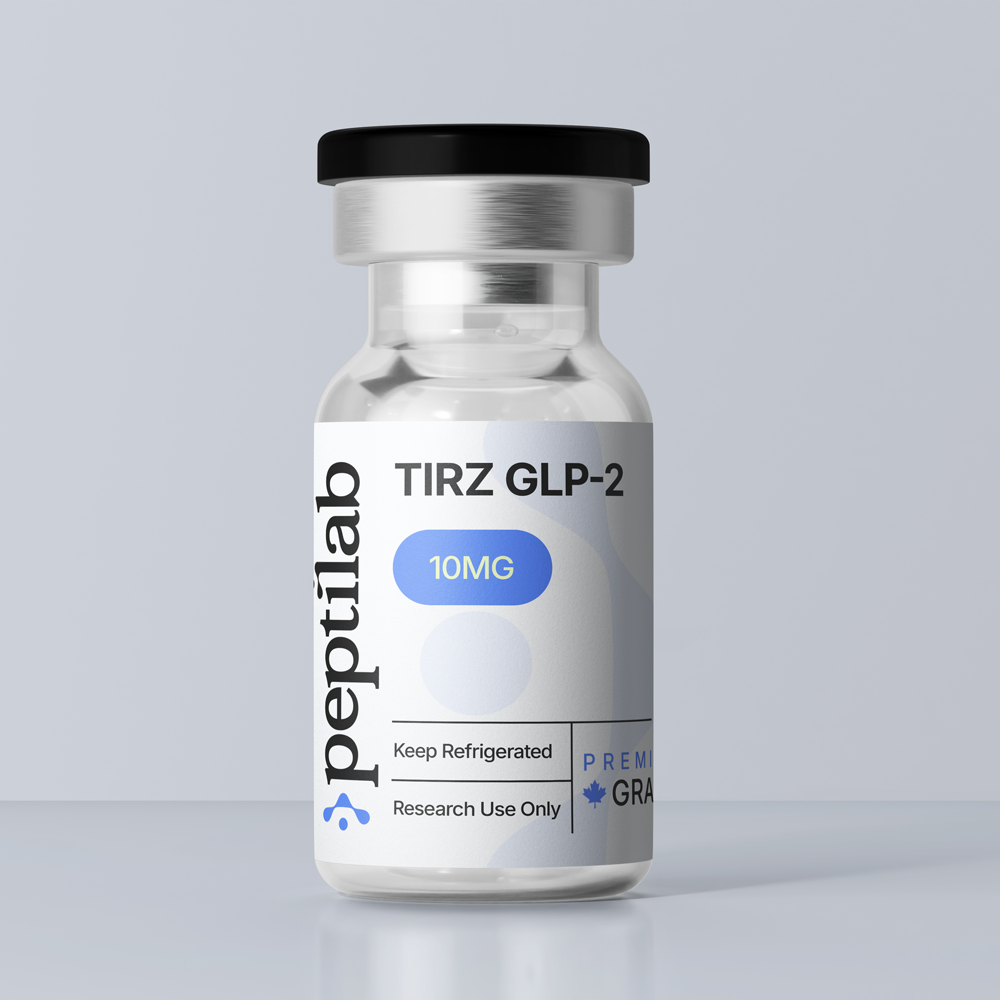
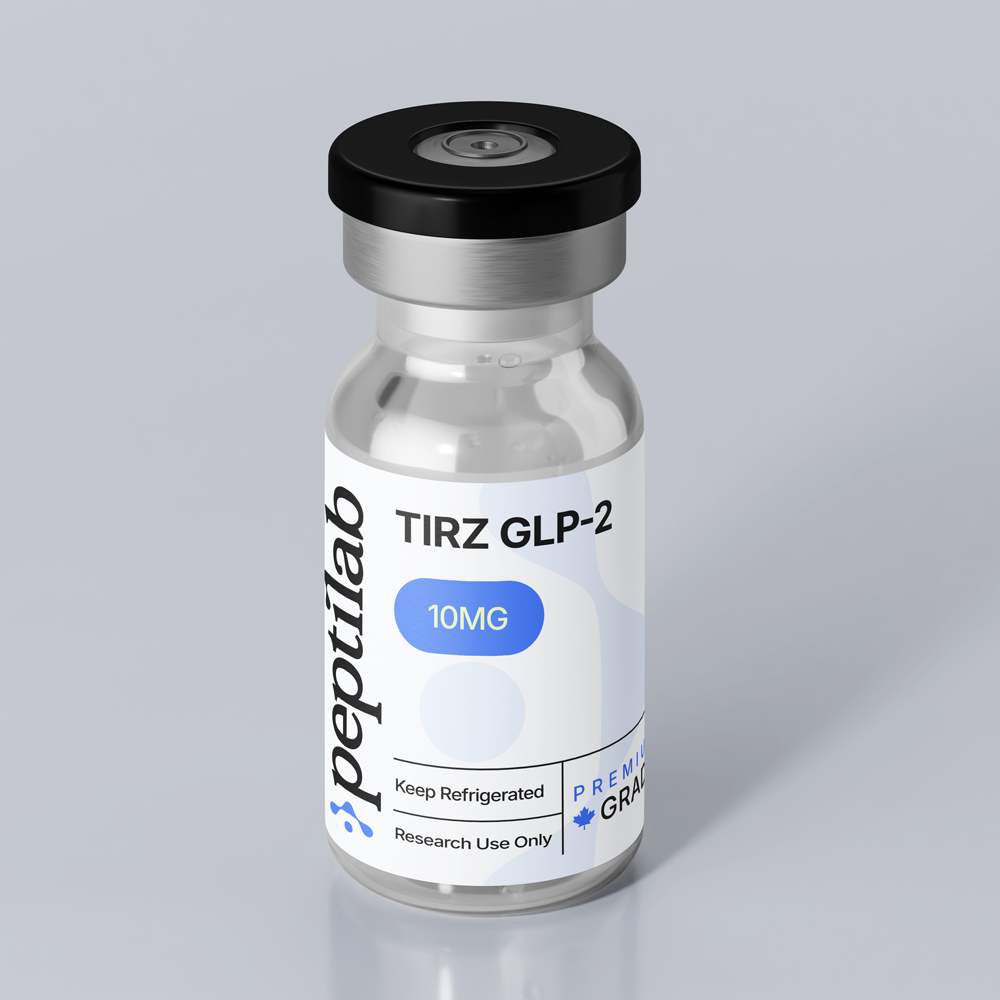
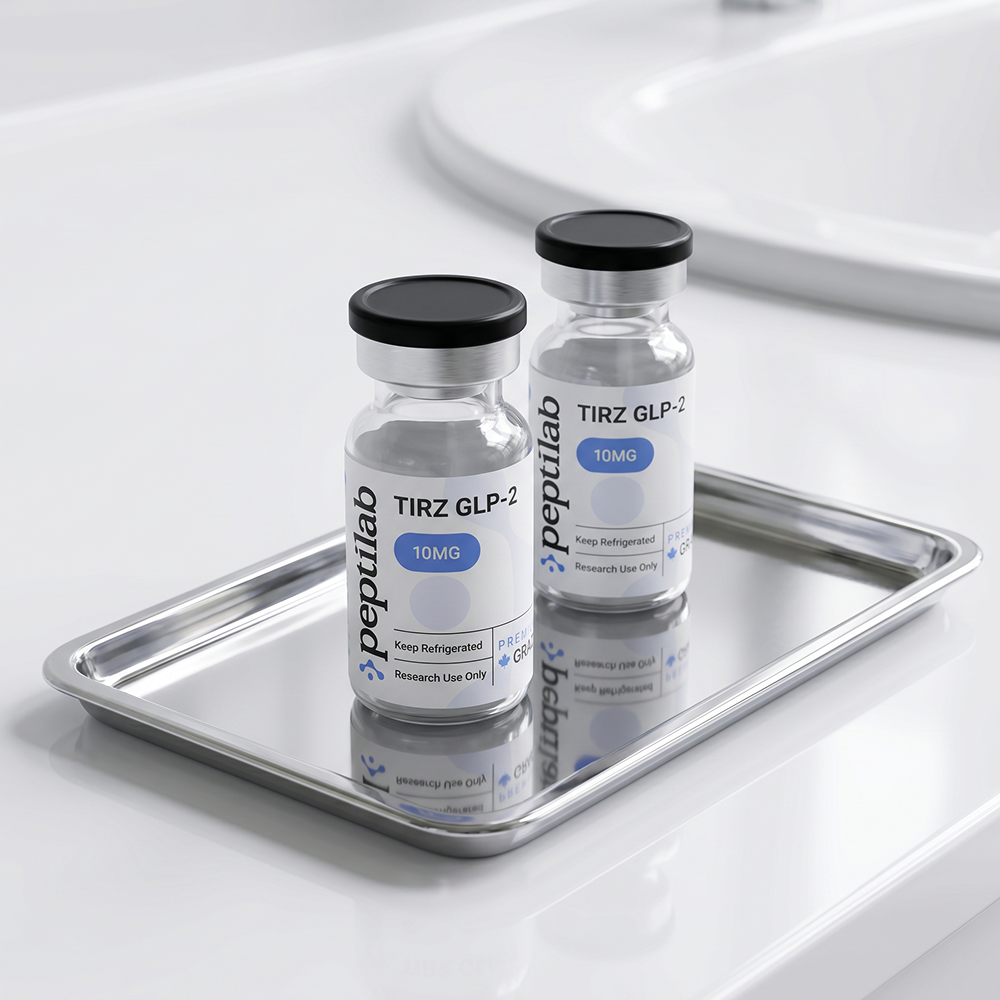
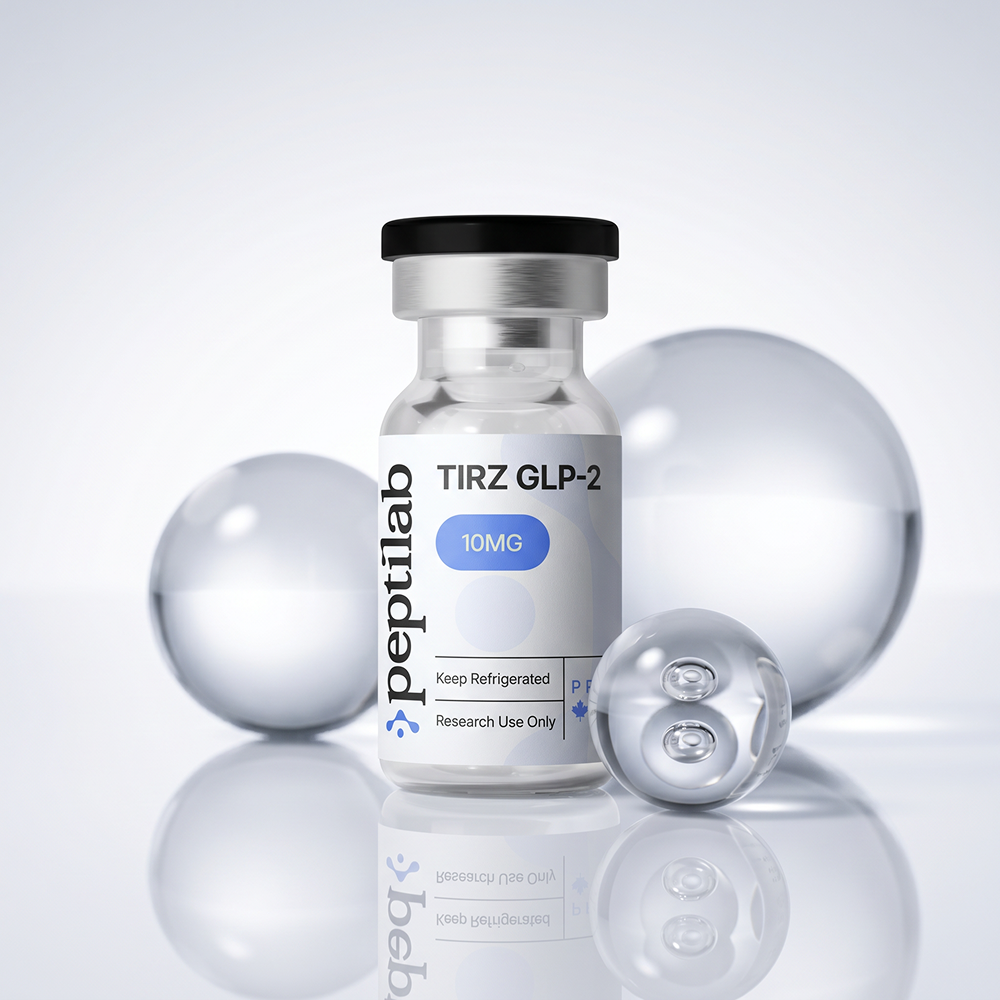
TIRZ: Dual GIP/GLP-1 Receptor Agonist Research Compound

Price range: $90.00 through $150.00

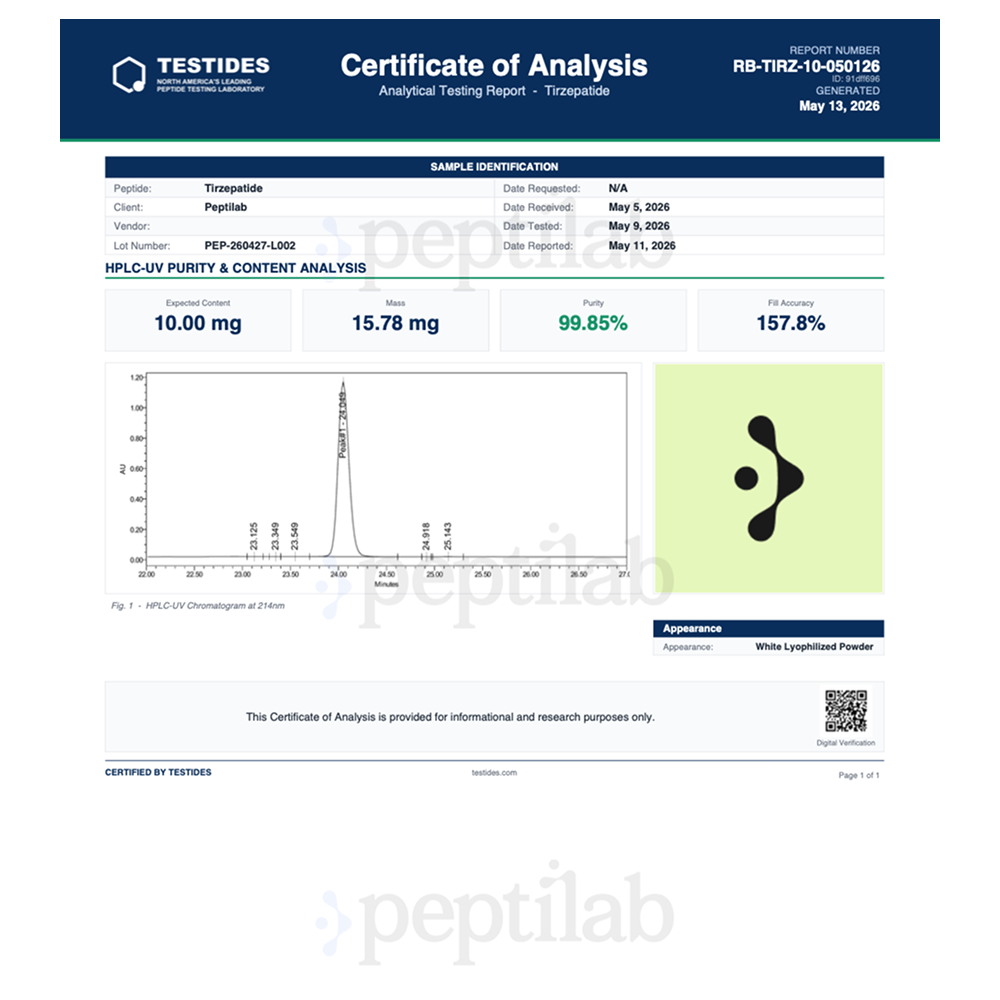
  • Third-party tested
  • COA included
  • Ships from Canada
  • Secure checkout
Buy More, Save More
Quantity Price / Per Vial
1 – 2$150.00
3 – 4$142.50
5 – 9$135.00
10+$120.00
Bulk deal
Quantity Discount Discounted price
3 – 4 5%
5 – 9 10%
10 – 100 20%

TIRZ is a dual glucose-dependent insulinotropic polypeptide (GIP) and glucagon-like peptide-1 (GLP-1) receptor agonist developed for advanced laboratory and scientific research. By simultaneously activating both incretin receptor pathways, TIRZ has become an important research compound for investigating metabolic regulation, endocrine physiology, receptor pharmacology, and cellular signaling mechanisms.

Unlike selective GLP-1 receptor agonists, TIRZ enables researchers to examine the biological effects of dual receptor activation within controlled experimental settings. This unique mechanism has generated considerable scientific interest, allowing investigators to explore how GIP and GLP-1 signaling pathways interact across multiple tissues, including the pancreas, adipose tissue, gastrointestinal tract, skeletal muscle, and central nervous system.

Current laboratory research continues to expand understanding of dual incretin receptor biology, intracellular signaling networks, and peptide-mediated communication. Supplied as a sterile lyophilized powder, TIRZ is intended exclusively for laboratory and in vitro research applications. Every production batch undergoes independent third-party analytical testing to help ensure purity, identity, and consistency for scientific investigations.

Product Specifications

Specification Details
Product Name TIRZ
Compound Type Dual GIP/GLP-1 Receptor Agonist
Purity ≥99%
Form Sterile Lyophilized Powder
Available Sizes Multiple Quantities
Application Laboratory Research Only
Recommended Storage −20°C

Research Profile

TIRZ is widely investigated because it provides researchers with an opportunity to study simultaneous activation of GIP and GLP-1 receptors, two important components of incretin biology involved in metabolic and endocrine signaling.

Laboratory investigations have explored receptor-mediated pathways associated with:

  • Dual incretin receptor signaling
  • Cellular metabolism
  • Endocrine regulation
  • Intracellular communication
  • Hormone-mediated signaling
  • Gene-expression pathways
  • Cellular energy regulation
  • Receptor pharmacology
  • Peptide-receptor interactions
  • Metabolic adaptation mechanisms

Researchers frequently utilize TIRZ to examine how activation of both receptors influences intracellular signaling cascades, including cyclic AMP (cAMP), kinase activation, transcriptional regulation, and receptor-specific molecular responses. These studies provide valuable insights into cellular communication and receptor biology without implying therapeutic applications.

Pancreatic Cell Research

One of the primary research applications of TIRZ involves pancreatic cellular biology. Scientists investigate how dual incretin receptor activation influences signaling pathways within pancreatic islet cells and how these molecular responses interact with broader endocrine regulatory networks.

These controlled laboratory studies improve scientific understanding of receptor expression, intracellular signaling, peptide-mediated communication, and endocrine physiology.

Adipose Tissue & Metabolic Research

TIRZ is also extensively studied in adipose tissue models to investigate cellular metabolism and energy regulation.

Current laboratory research examines:

  • Adipocyte signaling pathways
  • Lipid metabolism research
  • Cellular energy utilization
  • Metabolic regulatory networks
  • Hormone-receptor interactions
  • Molecular adaptation pathways

By studying these biological processes under controlled conditions, researchers continue expanding knowledge of metabolic signaling and tissue-specific receptor activity.

Central Nervous System Research

Both GIP and GLP-1 receptors are expressed within regions of the central nervous system involved in neuroendocrine regulation.

Researchers utilize TIRZ to investigate:

  • Hypothalamic signaling
  • Neuronal receptor biology
  • Neuroendocrine communication
  • Peptide-receptor interactions
  • Brain metabolic signaling
  • Cellular regulatory pathways

These investigations contribute to a broader understanding of endocrine communication between peripheral tissues and the central nervous system.

Comparative Receptor Studies

Another important application of TIRZ involves comparative receptor pharmacology.

Researchers frequently compare dual incretin receptor agonists with selective GLP-1 receptor agonists to evaluate differences in:

  • Receptor activation
  • Binding characteristics
  • Cellular signaling
  • Tissue-specific responses
  • Molecular regulation
  • Downstream biological pathways

These comparative studies continue to improve understanding of receptor selectivity and peptide-mediated signaling mechanisms.

Areas of Scientific Research

Current laboratory investigations involving TIRZ include:

  • Metabolic research
  • Endocrine biology
  • GIP receptor signaling
  • GLP-1 receptor biology
  • Dual incretin receptor research
  • Pancreatic cell biology
  • Adipose tissue studies
  • Hypothalamic signaling
  • Cellular metabolism
  • Molecular pharmacology
  • Peptide signaling mechanisms
  • Receptor pharmacology
  • Cellular bioenergetics
  • Gene-expression research
  • Hormonal signaling pathways

Research remains ongoing, and findings continue to expand scientific understanding of dual incretin receptor biology and metabolic regulation.

Product Care

To help maintain product quality and stability:

  • Store unopened vials at −20°C whenever possible.
  • Protect from excessive heat, moisture, and direct sunlight.
  • Refrigerate immediately after reconstitution.
  • Avoid repeated freeze-thaw cycles.
  • Handle using appropriate sterile laboratory techniques.
  • Follow established laboratory storage protocols throughout research use.

Product Note

All products are supplied as sterile lyophilized (freeze-dried) powder and require reconstitution before laboratory use.

Each production batch undergoes independent third-party analytical testing to verify purity, identity, and quality, helping support reliable and reproducible laboratory investigations.

This product is intended strictly for scientific research purposes. It is not intended for human consumption, veterinary use, diagnostic procedures, or therapeutic applications.

Frequently Asked Questions

What is TIRZ?

TIRZ is a dual GIP and GLP-1 receptor agonist researched for its role in metabolic biology, endocrine physiology, receptor pharmacology, and peptide-mediated cellular signaling.

Why is TIRZ studied?

Researchers investigate TIRZ because simultaneous activation of GIP and GLP-1 receptors provides a valuable model for studying incretin biology, intracellular signaling pathways, metabolic regulation, pancreatic cell function, adipose tissue biology, and neuroendocrine communication.

What form is the product supplied in?

TIRZ is supplied as a sterile lyophilized powder, providing enhanced stability during storage and transportation before reconstitution.

How should TIRZ be stored?

Store unopened vials at −20°C whenever possible. After reconstitution, refrigerate the solution and avoid repeated freeze-thaw cycles to help preserve product integrity.

Is TIRZ intended for human use?

No. TIRZ is supplied exclusively for laboratory research and is not approved for human consumption, medical treatment, or veterinary use.

Add a review
TIRZ: Dual GIP/GLP-1 Receptor Agonist Research Compound TIRZ: Dual GIP/GLP-1 Receptor Agonist Research Compound
Rating*
0/5
* Rating is required
Your review
* Review is required
Name
* Name is required
5.0
Based on 1 review
5
100
100%
4
0%
3
0%
2
0%
1
0%
1-1 of 1 review
  1. H

    Thanks for the quick delivery. Exactly what I was looking for